Stories
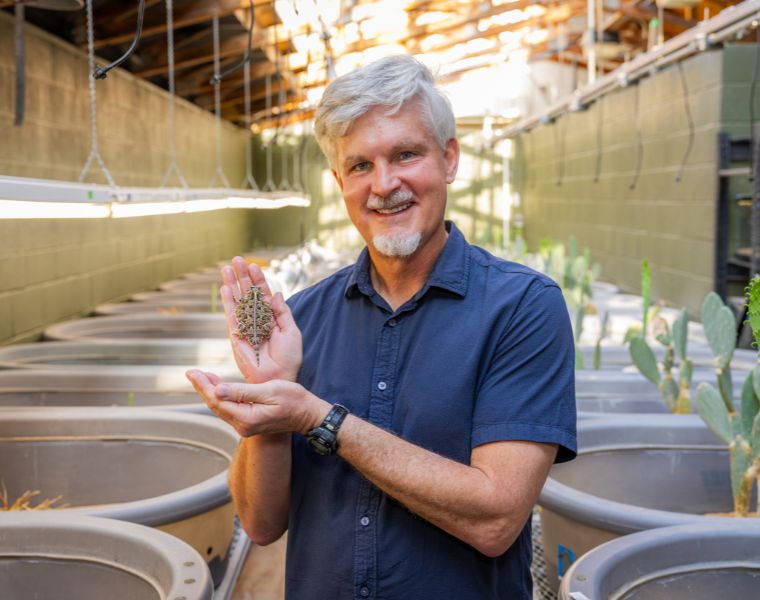
Is the Texas Horned Lizard Making a Comeback?
Biology professor Dean Williams is studying new ways to improve survival among reintroduced horned frog populations.
Is the Texas Horned Lizard Making a Comeback?
Biology professor Dean Williams is studying new ways to improve survival among reintroduced horned frog populations.
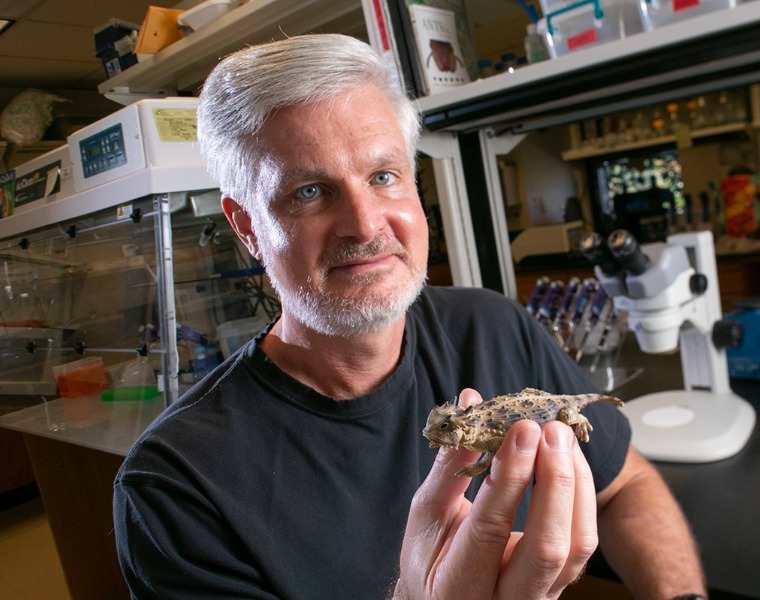
Dean Williams Explains Significance of Rare Texas Horned Lizard Discovery
A newly discovered Texas horned lizard could mark an important milestone in conservation efforts, and TCU biology professor Dean Williams shared his expertise in a recent Yahoo News story about the find.
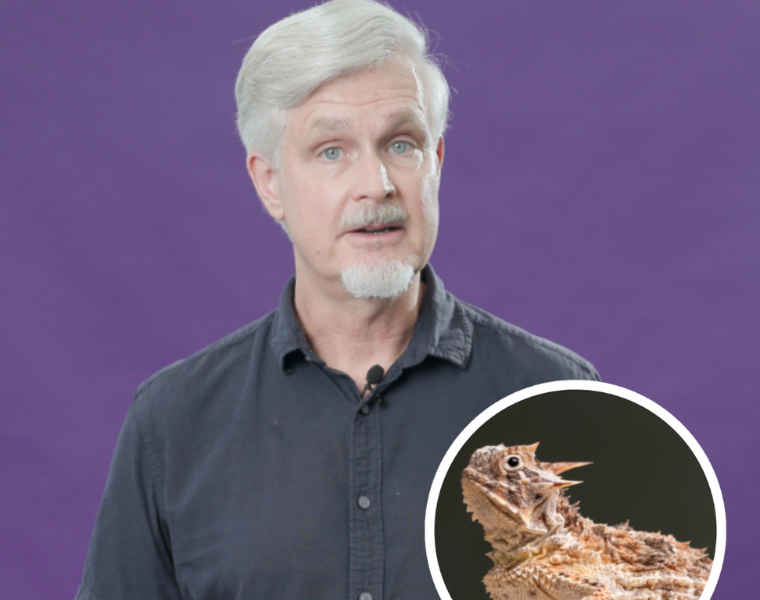
Horned Frogs Explained in 60 Seconds
Dean Williams, environmental science professor, talks about horned frogs.
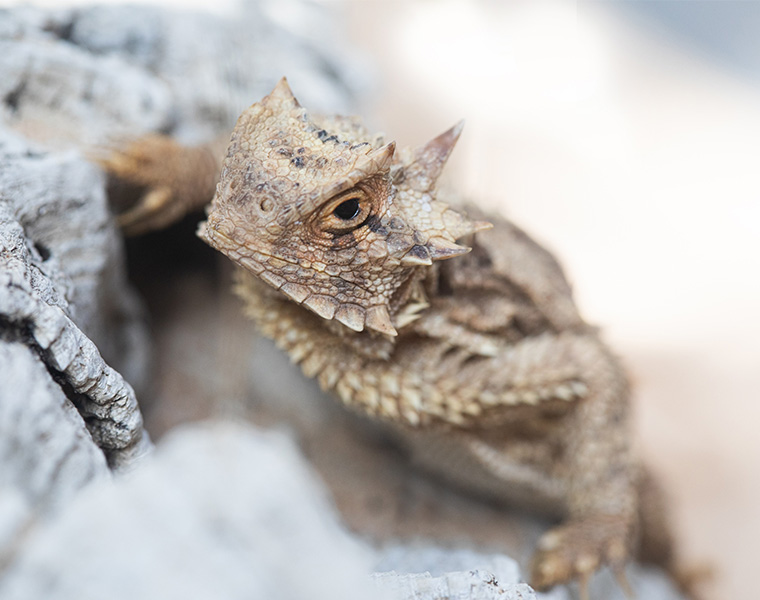
TCU's Research Helps Fort Worth Zoo Release Record Number of Texas Horned Lizards
TCU’s "Horny Toad Project," led by biology professor Dean Williams, Ph.D., has played a critical role in the Fort Worth Zoo’s record-breaking release of 617 Texas horned lizards into the wild.

Biology Professor Mikaela Stewart Conducts Groundbreaking Breast Cancer Research
One in eight women in the United States will be diagnosed with breast cancer in her lifetime. It is the most common cancer among women globally, with more than 2 million new cases each year according to the Susan G. Komen Foundation. TCU biology professor Mikaela Stewart is innovating the way we research breast cancer in efforts to transform these harrowing statistics into stories of victory.
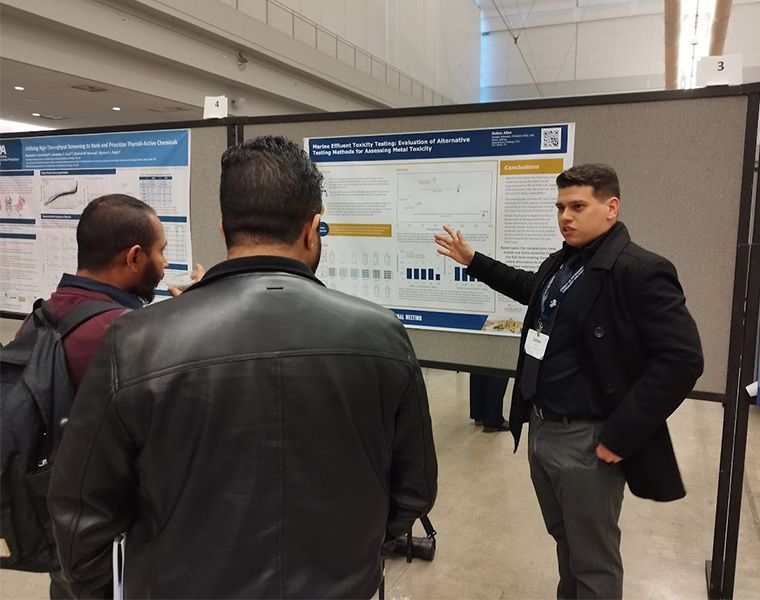
Exploring Mercury, Invertebrates, Spiders, and Minnows Take CSE Students to Victory
CSE faculty and students traveled to Pittsburgh in November to present in the North American meeting of the Society of Environmental Toxicology and Chemistry (SETAC), with two works receiving awards.