Stories
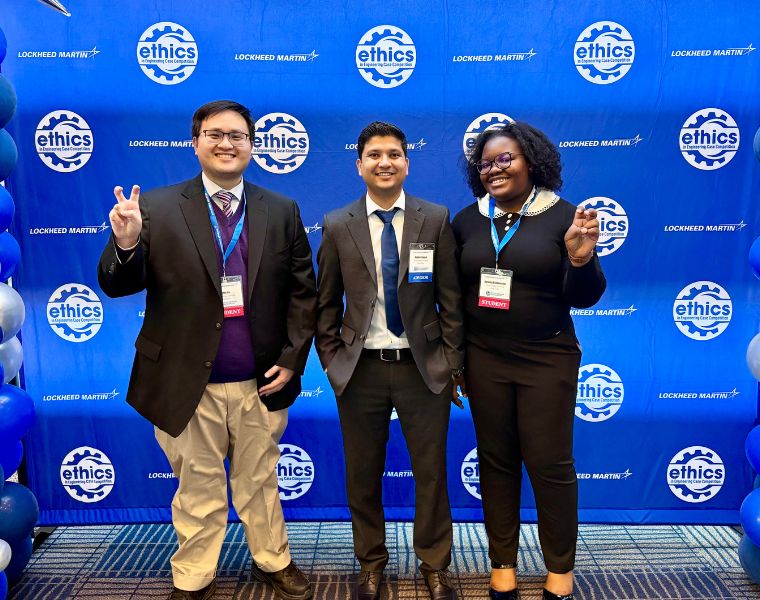
Preparing Ethical Security Leaders for the Age of AI
Texas Christian University made its first appearance at the 2026 Lockheed Martin Ethics in Engineering Competition.
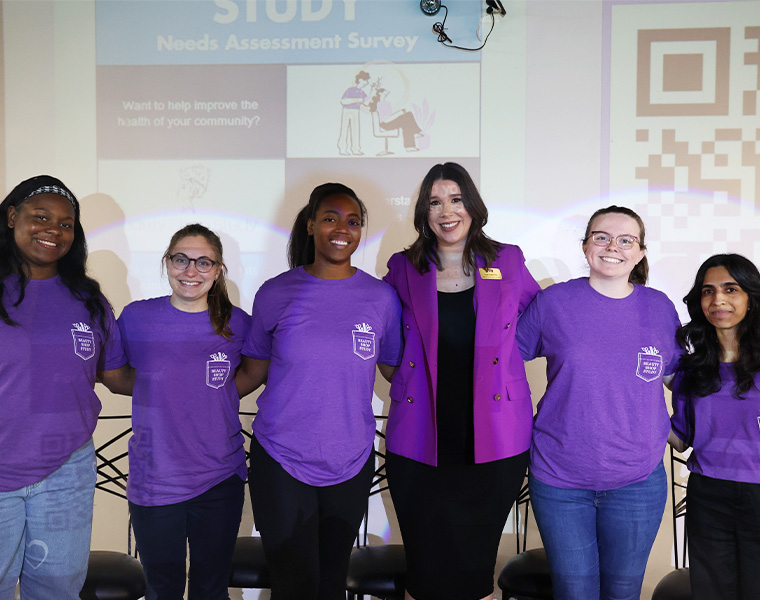
Primp and Prevent: IBR's Beauty Shop Study Addresses Preventable HIV
TCU's Institute of Behavioral Research launches its "Beauty Shop Study" to educate and empower local stylists about HIV prevention.
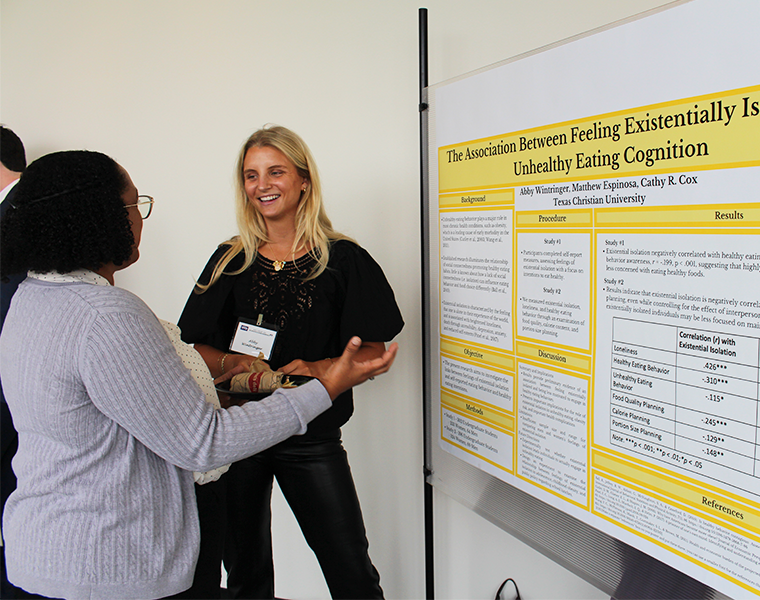
Spotlight on Student Research Symposium
TCU’s College of Science & Engineering hosted its 21st annual Michael and Sally McCracken Student Research Symposium (SRS) spotlighting undergraduate and graduate student research.
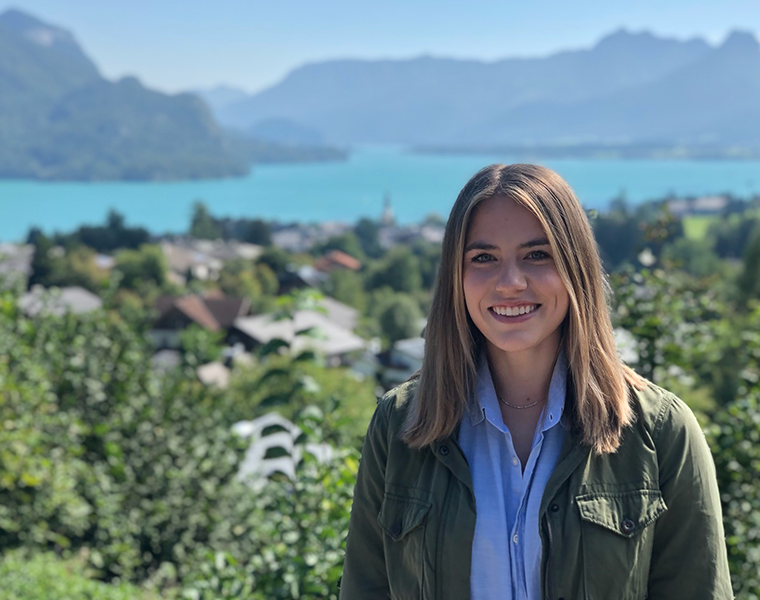
Fulbright and the Front Porch Test
Embracing the chance to be immersed into a new culture, conduct research, and grow personally and professionally, Brooke Boisvert's Fulbright experience has profoundly shaped her path through medical school and beyond.

TCU's Efforts in Areas of Deep Learning Security
Ze-Li Dou, associate professor in TCU’s mathematics department, Curby Alexander, associate professor of professional practice, and Liran Ma, professor of computer science, have been awarded a $220,000 grant from the National Science Foundation (NSF) in recognition of their research and commitment to advancing scientific knowledge and education in the areas of deep learning security.
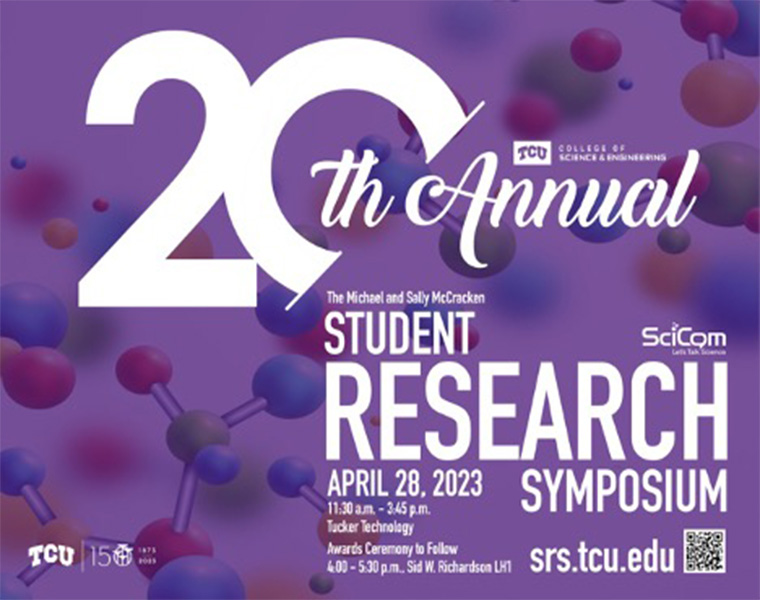
Twenty Years of Celebrating Student Research
This year marks the 20th annual Michael and Sally McCracken Student Research Symposium (SRS) for the College of Science & Engineering. SRS, held on April 28 from 11:30 a.m.–3:45 p.m., offers a professional, yet relaxed environment for students to present their research and mingle with various departments.
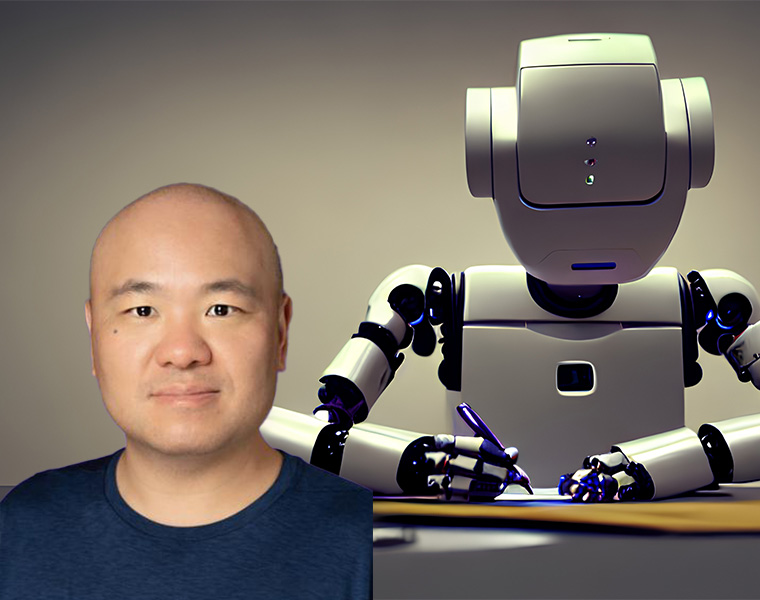
The Potential Impact of ChatGPT
ChatGPT is artificial intelligence that writes for you, which can include letters, song lyrics, research papers, recipes, poems, essays, outlines, even software code. Despite its clunky name (Generative Pre-trained Transformer), within five days of its launch, more than a million people were using it. Dr. Liran Ma, TCU computer science professor, explains the potential opportunities and challenges with this new-age language generation model.