Davis College Alumni Q&A: From TCU Engineering to Robotics Entrepreneurship
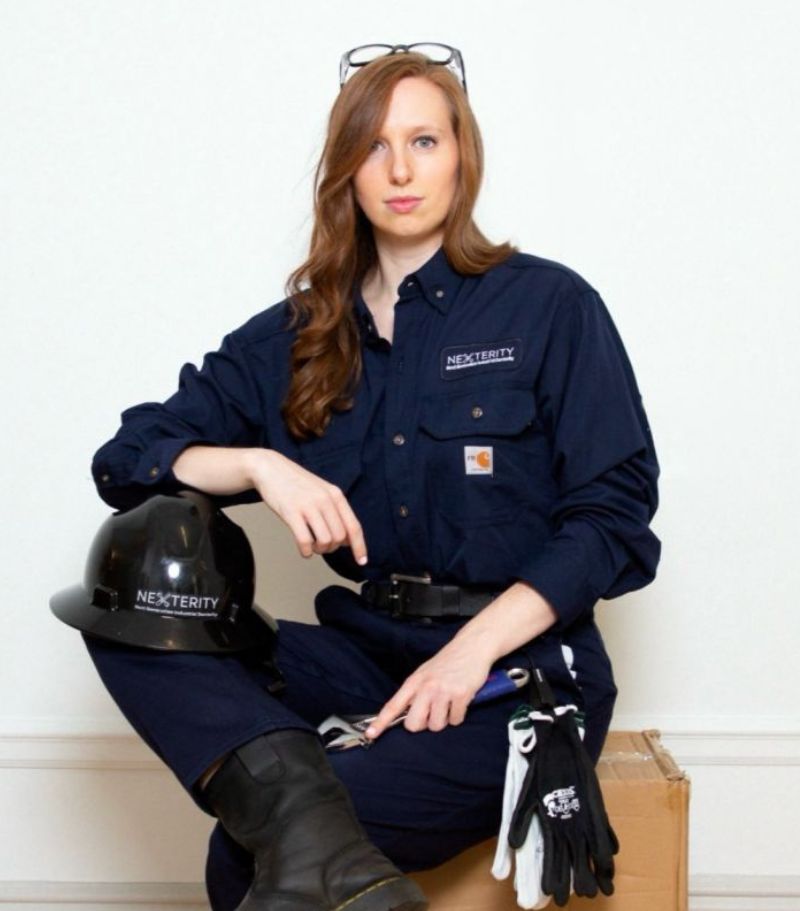
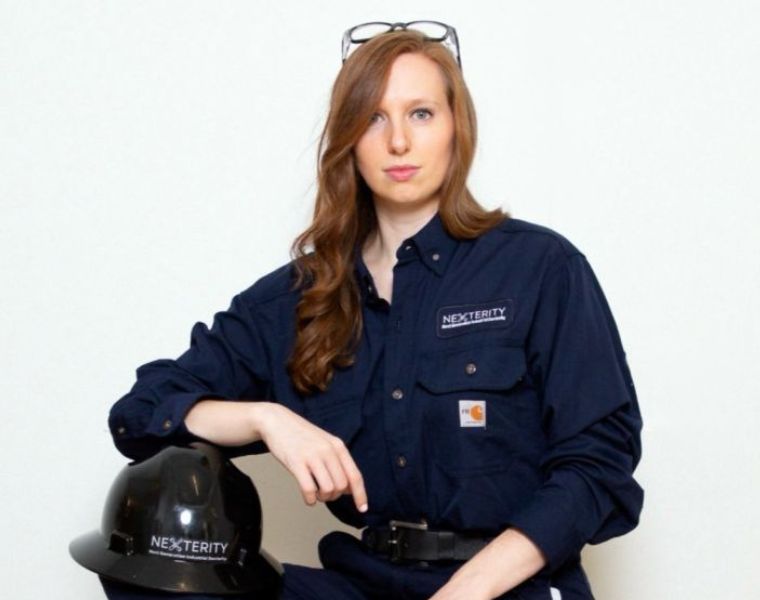
From the labs at TCU to the forefront of industrial robotics innovation, Lindsey Elliott ’18 has followed a career path defined by a willingness to embrace the unexpected. After studying mechanical engineering and mathematics, and as a laureate of the John V. Roach Honors College, Elliott built experience across industries, including oil and gas, manufacturing and tech, before co-founding Nexterity, a startup focused on hands-free robotic tools for hazardous industrial work. Named to Forbes’ 2026 30 Under 30, Elliott looks back on the TCU moments that launched her career and shares how those experiences continue to shape her work as an engineer and entrepreneur.
Q: How did your idea for Nexterity’s hands-free robotic tool come about?
A: The idea really came from my career experience across different industries. Early
on, I worked in oil and gas and refinery environments, where I saw firsthand how intense
and hazardous maintenance work can be. Later, I moved into tech and saw how much cutting-edge
innovation was happening there, especially in AI and emerging technologies. What stood
out to me was the gap between those two worlds — there was so much innovation in tech,
but many industrial environments were still relying on outdated tools and processes.
That contrast made me start thinking seriously about how robotics could help solve
real problems in heavy industry.
Q: How do you balance being both an engineer and a business owner?
A: One of the biggest lessons I’ve learned is that I absolutely cannot do it alone.
I think people sometimes imagine entrepreneurs as doing everything themselves, but
for me, it’s much more about community, collaboration and knowing who to turn to for
help. I’ve learned to think less in terms of, “How do I solve this entirely by myself?”
and more in terms of, “Who can help us move this forward?” That mindset shift has
been huge. At the same time, working at a small company has actually allowed me to
do more hands-on mechanical engineering than I did in some larger corporate roles,
which has been really rewarding.
Q: What does being named to Forbes’ 30 Under 30 mean to you, personally and professionally?
A: It means so much, and I’m incredibly grateful. It was never something I specifically
set out to achieve, so to have it happen is beyond what I imagined. I think a lot
about the people and opportunities that helped me get here — my family, my schools
growing up and especially TCU. TCU really kick-started my engineering career and gave
me the confidence to keep learning, growing, and stepping into new environments. It’s an honor that will stay with me for the
rest of my life, and I’m just very thankful.
Q: What led you to study mechanical engineering and mathematics at TCU?
A: I always loved math, and knew I wanted to do something related to it. When I was
exploring colleges, I was especially inspired by an engineering presentation I saw
from a young woman talking about her projects and internship work — it made engineering
feel exciting and possible. Later, I attended an introductory engineering program
at Notre Dame, and that really confirmed that mechanical engineering was the path
I wanted to pursue. I also had strong encouragement from teachers and from my grandfather,
an engineer, so I had a lot of support pointing me in that direction.
Q: Were there defining experiences at TCU that shaped your path?
A: Absolutely. TCU was incredibly formative for me, both academically and personally.
The engineering program was very close-knit, and that made a huge difference. We built
strong relationships with professors, and they were deeply invested in our growth.
My internships, attending the Society of Women Engineers conference, living on campus
and working on senior design all had a major impact. One thing that really stands
out is how hands-on and personal the experience was. Professors knew our names, cared
about our projects and shared in our excitement. That kind of support gave me confidence
and helped shape how I approach my career today.
Q: What’s next for Nexterity?
A: Right now, a big focus is spending more time with early customers and champions in
the field so we can better understand which parts of our value proposition matter
most to them. For some industries, safety is the top priority. For others, speed is
the biggest benefit. We want to make sure we’re listening closely and building around
the needs that matter most. We’re also continuing product development, fundraising
and expanding the ways our technology could apply to adjacent industries and repeatable
fastening tasks.