
TCU Launches First Ph.D. in Computer Science, Expanding Research in AI, Cybersecurity
This fall, TCU’s Department of Computer Science will welcome its first cohort of eight fully funded Ph.D. students — a major milestone for the university and a step toward achieving R1 Carnegie Classification, the highest research designation. Approved by the University Council and SACSCOC, the program is TCU’s first Ph.D. in eight years and focuses on two of the nation’s most critical research priorities: artificial intelligence and cybersecurity.
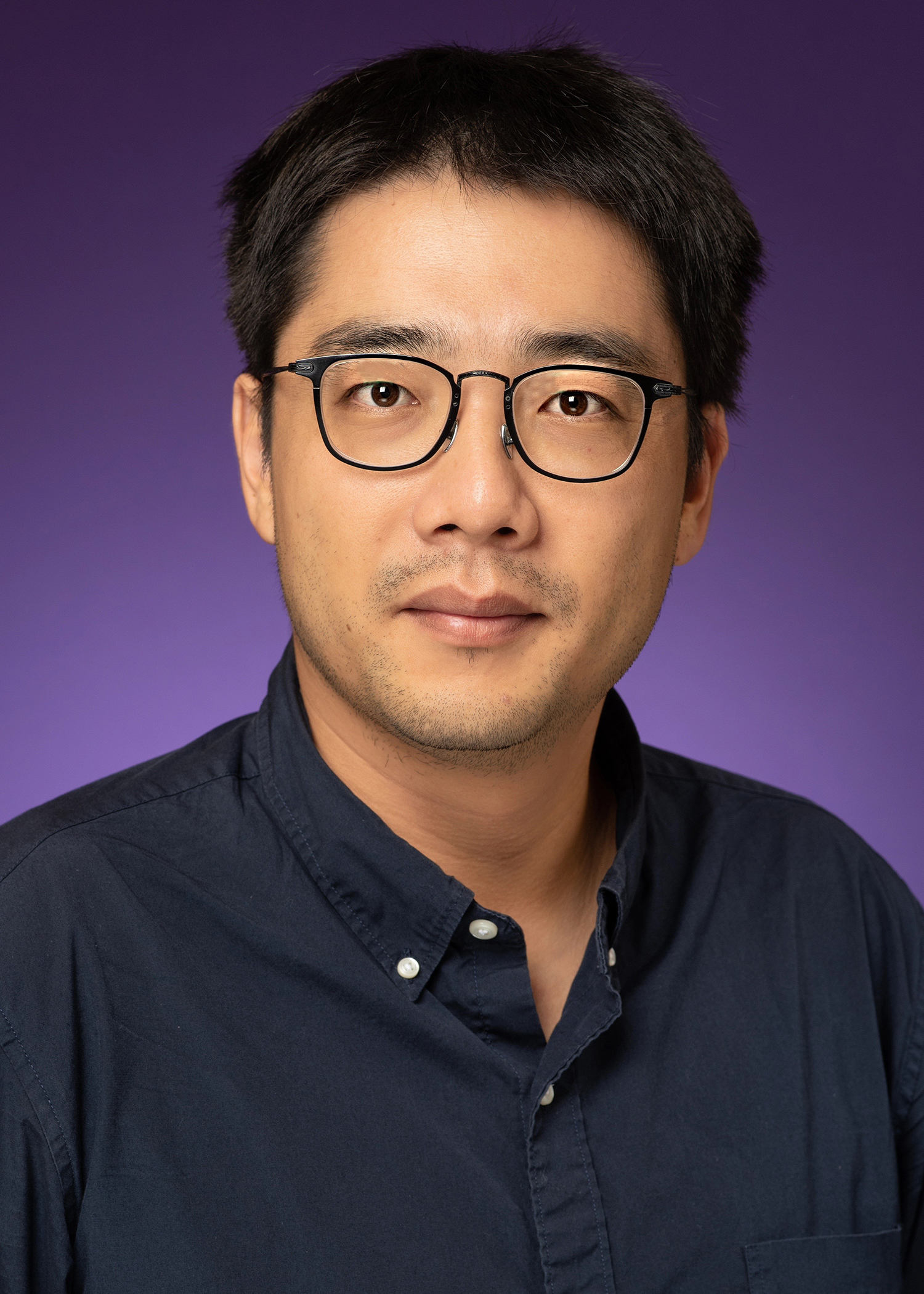
“Computer science is, at its core, the study of problem solving,” said Department Chair Bingyang Wei. “Our goal is not only to produce high-quality research, but to collaborate across TCU, from medicine and business to energy and psychology, to strengthen research university-wide.”
The launch follows rapid departmental growth. Since August 2025, Wei has led approval of the program and the hiring of six tenure-track faculty across AI and cybersecurity, more than doubling research capacity.
The program is supported by TCU’s AI² computing platform, developed with Dell Technologies and AWS. Fully operational in 2026, it includes 16 NVIDIA H200 GPUs, over 2 TB of GPU memory, and more than 1 PB of storage, giving students and faculty access to high-performance resources for AI and cybersecurity research.
Together, new faculty, advanced infrastructure and a doctoral cohort position TCU to attract top talent, compete for major federal grants and accelerate its path to R1.
Learn more about the TCU Ph.D. in Computer Science.